

Stock your foundation wisely. Grains and dry goods are the backbone of every stretch meal—affordable, filling, and versatile for both traditional and modern recipes. With the right choices, you can support blood sugar balance, reduce food waste, and keep nourishing meals on the table all week.
1️⃣ Smart Grains for Blood Sugar Control + Pantry Swaps
Choosing the right grains makes a real difference, especially for families managing diabetes or hypertension.
✔️ Better Grain Choices (Slow, Steady Energy)
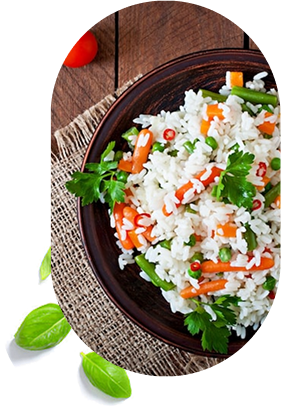
- Brown rice – more fiber than white rice, keeps you full longer
- Millet – traditional, gentle on the stomach, steady energy release
- Oats – great for breakfast or savory porridge
- Beans (black-eyed peas, red beans) – protein + fiber to slow sugar spikes
💡 Stretch Health Tip: Pair your grains with beans, fish, eggs, or nuts to further reduce blood sugar spikes and keep you full longer.
🔄 Simple Pantry Swaps
Keep your meals familiar—just make them stronger nutritionally:
- White rice → brown rice or a half white/half brown mix
- White rice → rotate in millet, barley, or whole wheat grains for variety
- Banku or kenkey meals → add beans or lentils on the side
- Plain gari soakings → add groundnuts or milk for balance
- White bread → whole wheat or oat bread
💡 Stretch Tip: Start by mixing—don’t switch all at once. Your family will adjust more easily.
🌿 Traditional Millet Spotlight (Hausa Kooko Method)
One of the best ways to enjoy millet in a blood sugar–friendly way is through spiced fermented porridge.
Simple Traditional Method:
- Soak millet overnight
- Blend with spices such as grains of Selim, cloves, ginger, and peppercorns
- Allow the mixture to ferment overnight
- Portion and freeze for easy future use
Cook into a warm, flavorful porridge known as Hausa kooko.
Serve with:
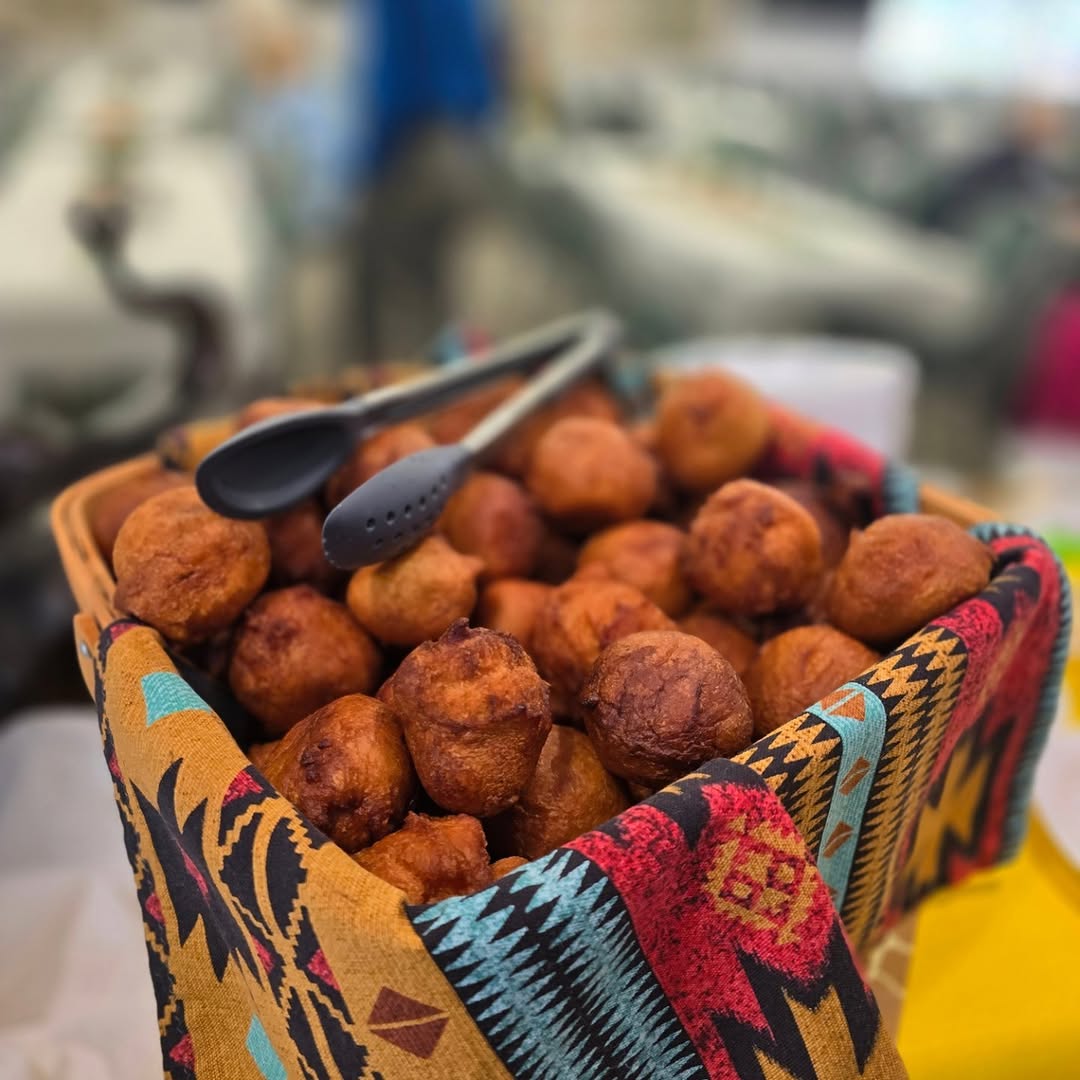
- Bean fritters (koose)
- Roasted peanuts (groundnuts)
💡 This combination provides fiber, protein, and healthy fats, helping to keep you satisfied and supporting better blood sugar control.
2️⃣ Portion Control the Simple Way (Using Your Hand)
You don’t need a scale—your hand is your natural measuring tool.
Use this easy visual guide at every meal:
✋🏾 Grains (rice, fufu alternative, oats): 1 cupped handful
✋🏾 Beans or protein: 1 palm-sized portion
✊🏾 Vegetables: 1 fist or more
👍🏾 Healthy fats (oil, groundnuts): 1 thumb size
💡 For blood sugar control: keep grains to one handful and increase vegetables and protein.
3️⃣ Bulk Storage Tips (Keep It Fresh, Prevent Waste)
Buying in bulk saves money—but only if it stays fresh and pest-free.
🏺 Storage Basics
- Use airtight containers (bins, jars, or food-grade buckets)
- Store in a cool, dry place away from sunlight
- Label with purchase date
🌿 Natural Pest Protection (Traditional Practice)
Some households add:
- 2–3 dried bay leaves, or
- dried pepper or cloves
These may help discourage pests naturally, alongside proper airtight storage.
⏳ Shelf-Life Guide (For Best Quality)
White rice: up to 1 year
Brown rice: 3–6 months
Beans: up to 1 year
Oats: 6–12 months
Millet: 6–12 months
💡 Stretch Tip: Rotate your stock—use the oldest first.
Final Thought
A well-stocked grain pantry is like a good foundation for a home—it keeps everything stable. With a few small changes, you can nourish your family, support long-term health, and still honor the meals you grew up with.